What Is Performance Measurement and How It Works

At its core, performance measurement is the simple act of collecting, analyzing, and reporting information on how well an individual, team, or entire organization is doing. It’s the feedback loop that shows you how effectively you're hitting your goals and where you might need to make a few tweaks.
What Is Performance Measurement Really?
Think of performance measurement as the GPS for your business. A GPS doesn’t just ping you when you've reached your destination. Instead, it gives you constant, real-time data on your current location, speed, and ETA. More importantly, it warns you about traffic jams ahead and suggests a better route to keep you moving forward.
That’s exactly what modern performance measurement does. It’s not some dusty, old report card you hand out once a year. It's a living, breathing system that gives you continuous insight into how your company is progressing toward its biggest goals. This system keeps an eye on everything, from small, individual tasks to massive company-wide projects, giving you the hard data you need to make smart, informed decisions.
A Tool for Navigation, Not Just Judgment
The real goal of measuring performance is to steer the ship, not just to judge where it's been. When done right, it quickly shows you what’s working and what isn’t, allowing you to double down on your successes and get ahead of challenges before they become big problems. It’s all about turning those abstract, lofty goals into something tangible you can actually track.
By putting a number to your progress, you can shift from vague ideas to clear, actionable targets. That kind of clarity is what gets teams aligned and motivates everyone to pull in the same direction.
This whole process boils down to a few key activities that turn raw data into a clear path forward. A solid performance measurement system will always include:
- Data Collection: Gathering both hard numbers and qualitative feedback about how different parts of the business are running.
- Analysis and Interpretation: Taking that raw data and figuring out the story it’s telling you about your current performance.
- Reporting: Sharing those findings with the right people in a way that’s easy to understand and act on.
- Action Planning: Using what you’ve learned to make strategic changes, set new goals, and drive real improvement.
Key Components of a Performance Measurement System
To bring this to life, let’s break down the essential pieces that make up a modern performance measurement framework. Think of these as the building blocks for creating a system that truly works for your team.
| Component | What It Does | Real-World Example |
|---|---|---|
| Clear Goals (KPIs) | Defines what success looks like in measurable terms. | Increase customer satisfaction score by 15% in Q3. |
| Data Sources | Identifies where the performance information comes from. | CRM software, project management tools, employee surveys. |
| Tracking Frequency | Sets the schedule for how often data is collected and reviewed. | Weekly sales reports, monthly project reviews, quarterly goal setting. |
| Feedback Mechanisms | Creates channels for communication about performance. | One-on-one meetings, team dashboards, formal performance reviews. |
By building this continuous feedback loop, performance measurement becomes the engine that powers sustainable growth and keeps your operations sharp. To see how this works day-to-day, you can explore this comprehensive guide on performance tracking.
Getting a handle on this foundational concept is the first step toward building a more agile, data-driven organization that's ready for anything. It helps create a culture where getting better is a constant, and hitting goals is just what you do.
The Shift From Annual Reviews to Continuous Feedback
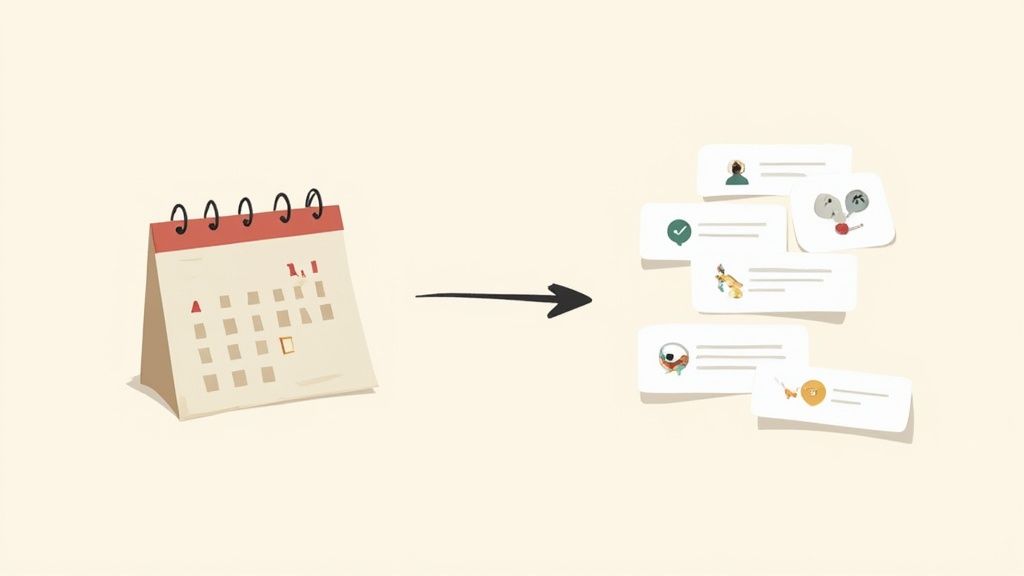
For decades, the annual performance review was the undisputed champion of the workplace. It was that one formal, dreaded meeting where managers dished out a year's worth of feedback, set goals, and decided who got a raise. But that model is starting to look like a relic from a different time.
In today's world, work moves fast. Waiting an entire year for feedback just doesn't cut it anymore. Projects pivot, priorities shift, and teams need to adapt on the fly. The annual review often felt like driving while looking in the rearview mirror—discussing things that happened months ago and were no longer even relevant.
This realization has sparked a major change. Companies saw that dumping a year of feedback on an employee at once was creating more anxiety than actual improvement. It became obvious that a more agile, ongoing conversation was the only way to keep people engaged and moving in the right direction.
The Rise of Continuous Feedback
The move toward continuous feedback isn't just a fleeting trend. It's a smart response to how we work now, especially with so many teams spread out in remote and hybrid setups. Performance measurement is no longer a single, high-stakes event; it's becoming an ongoing dialogue.
This more nimble approach breaks the old feedback process into smaller, more frequent chats. It replaces the stuffy, top-down review with a culture of regular check-ins, real-time coaching, and setting goals together.
Continuous feedback transforms performance measurement from a dreaded annual appointment into a productive, everyday conversation. It gives employees the power to adjust their course quickly, celebrate small wins, and stay focused on what really matters.
The numbers back this up. Old-school performance systems were getting a lot of heat for simply not working. By 2016, around 33% of U.S. companies had already started ditching them. Big names like Microsoft and Netflix saw the writing on the wall years earlier, and by 2025, it's expected that top-performing companies will fully embrace this new way of managing. In fact, about 6% of Fortune 500 companies have already done away with employee rankings entirely.
Making the Transition Work
Switching to a continuous feedback model is about more than just booking more meetings. It demands a real cultural shift where everyone—managers and team members alike—feels comfortable giving and receiving feedback on a regular basis.
This means sharing both constructive criticism and positive reinforcement to keep morale and motivation high. You can explore some effective positive feedback examples to see how powerful this can be for team performance.
This constant conversation is a cornerstone of modern, productive teams. To get it right, it’s essential to follow proven performance management best practices that help guide the entire process.
Choosing Metrics That Actually Drive Growth
Having access to a mountain of data is one thing. Knowing which numbers actually matter is something else entirely. Good performance measurement isn’t about collecting every possible piece of information; it’s about zeroing in on the metrics that directly link to your strategic goals.
If you don't have that focus, you'll find yourself drowning in a sea of numbers that look impressive on a slide but don't give you any real direction.
Differentiating Vanity From Value
The biggest trap is falling for "vanity metrics." These are the numbers that feel good to report but don't tell you if you're actually getting closer to where you want to be. Think social media likes or total website visits.
An actionable metric, on the other hand, cuts right to the chase. A vanity metric might tell you that 10,000 people visited your website—sounds great, right? But an actionable metric will tell you how many of those visitors actually signed up for a trial or bought something. The first number is about traffic; the second is about impact.
To get a complete, honest picture of your organization's health, you need a balanced set of metrics covering different parts of the business. This way, you're not just celebrating success in one area while another falls behind.
A common mistake is tracking what's easy, not what's important. The best metrics are the ones that force you to ask tough questions about your strategy and operations, leading to real, meaningful improvements.
A great way to start is by organizing your metrics into a few key categories that align with your biggest priorities.
Core Areas for Performance Measurement
Here are three critical areas to focus on when you're deciding what to track, along with a few examples for each:
-
Team and Individual Productivity: This is all about measuring how efficiently your team turns effort into results. It’s not about tracking busyness, but effectiveness. Key metrics here include task completion rates, time spent on core projects, and output per employee.
-
Project and Goal Completion: This tracks your progress against specific objectives. It's how you see if projects are on schedule and within budget. You could track things like milestone achievement rates, budget variance, and the number of goals met per quarter.
-
Employee Engagement and Retention: Let's be honest—a motivated, stable team is the engine of any successful business. Measuring engagement through surveys, keeping an eye on employee turnover rates, and monitoring absenteeism can give you powerful insights into the health of your workforce.
At its core, performance measurement is about evaluating and boosting employee productivity. As businesses rely more on data, they're using solid metrics to guide them to success. By 2025, leading companies will be tracking key indicators in real-time to get the most out of their workforce. This includes not just productivity but also goal completion rates, employee satisfaction, and retention—all of which provide actionable insights for aligning individual efforts with the company's grand strategy.
By carefully choosing metrics in these areas, you can build a clear, comprehensive dashboard that tells you exactly how your business is doing. For a deeper look at specific numbers you can track, check out our guide on essential employee performance metrics examples. This helps make sure your efforts lead to real, sustainable growth.
Finding the Right Performance Measurement Method
Once you've figured out which metrics matter, the next big question is how to organize them. There's no single "best" method for measuring performance; the right choice is completely tied to your company’s culture, size, and what you’re trying to achieve.
Think of it like choosing a vehicle. A sleek sports car is fantastic for speed and agility, but you wouldn't use it to haul a heavy load—that’s what a truck is for. Performance measurement frameworks are the same way. Some are built for speed and quick pivots, while others give you a more steady, long-term view of your company's health. Picking the right one means your efforts will actually stick and feel like a natural part of how you work.
Comparing Popular Frameworks
Let's break down three of the most common methods teams use to measure performance. Each one brings a different philosophy to the table.
-
Objectives and Key Results (OKRs): This framework is all about speed and focus. You set ambitious, inspiring Objectives and then define a handful of Key Results—specific, measurable outcomes that prove you got there. Startups and tech companies love OKRs because they're agile and great for aligning everyone around clear, quarterly goals.
-
The Balanced Scorecard (BSC): If OKRs are a sports car, the BSC is a well-oiled machine built for the long haul. It gives you a complete picture by looking at the business from four angles: financial, customer, internal processes, and learning and growth. It's a fantastic fit for larger, more complex organizations that need to balance long-term strategy with day-to-day financial wins, preventing one area from overpowering the others.
-
360-Degree Feedback: This one is different. Instead of tracking company goals, 360-Degree Feedback zooms in on individual performance. It works by gathering anonymous feedback about an employee from their manager, their peers, and anyone who reports to them. This creates a well-rounded view of a person's strengths and where they can grow, making it a powerful tool for professional development, not just organizational tracking.
Making the Right Choice for Your Team
Picking a method isn't just a technical decision—it’s a strategic one. It fundamentally shapes how your team defines success. An agile startup would likely find the deep structure of the Balanced Scorecard too slow and rigid. On the other hand, a massive enterprise might find that OKRs feel too narrow for their sprawling needs.
The most effective performance measurement method is one that integrates seamlessly into your company’s daily workflow and provides actionable insights that people actually use. It should feel like a natural part of how you operate, not an extra layer of bureaucracy.
This decision tree infographic can help you visualize how your main goal—whether it's growth, engagement, or efficiency—points you toward the right kinds of metrics.
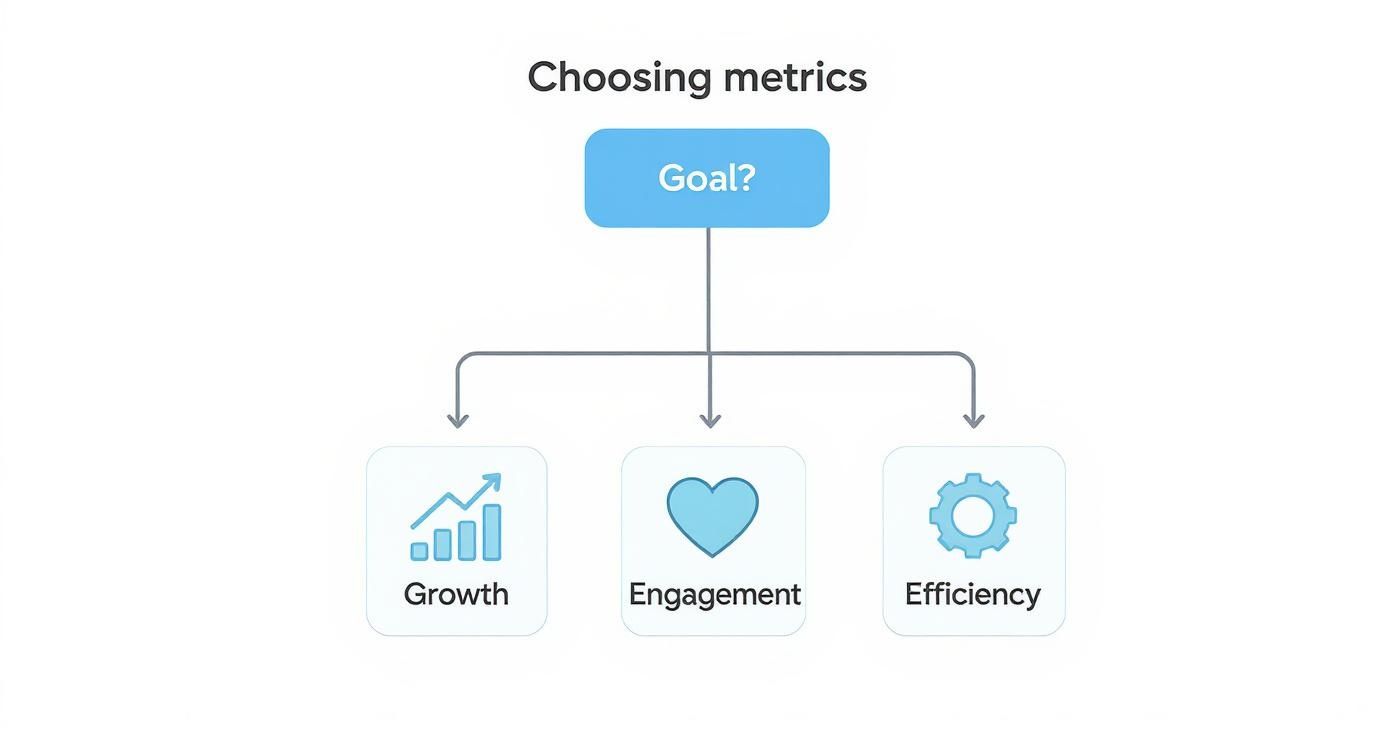
As the visual shows, the best metrics are always tied directly to the outcomes you want to see. This ensures you're tracking what truly moves the needle for your business instead of just collecting data for data's sake.
Using Technology for Smarter Performance Tracking
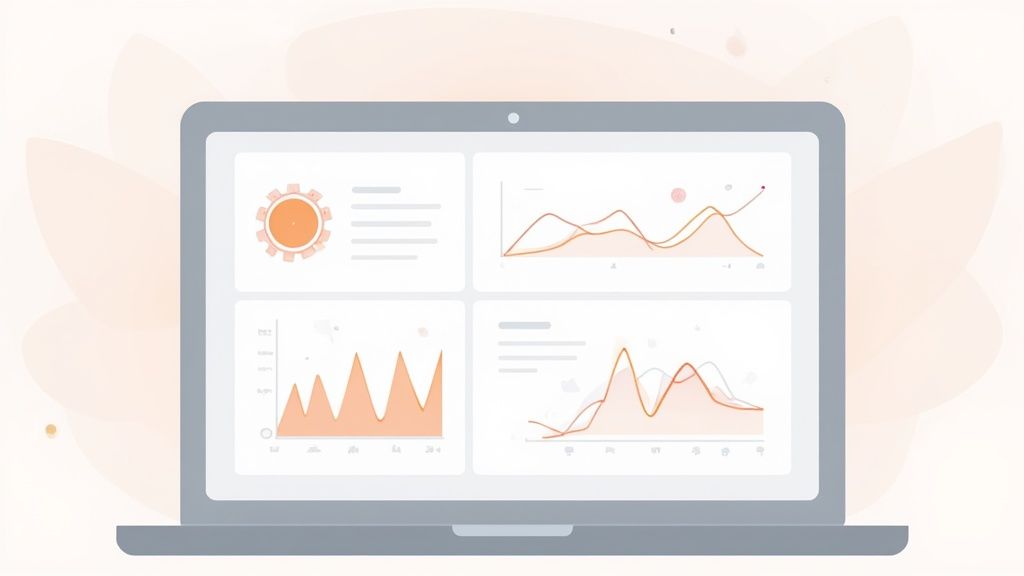
Let's be honest, manual spreadsheets and dusty paper reviews just can't keep up anymore. Technology is now the engine driving effective performance measurement, completely changing how we collect, analyze, and act on crucial data. Digital tools handle the heavy lifting, freeing up leaders to focus on big-picture strategy and coaching instead of getting buried in admin work.
This isn't just a minor upgrade; it's a fundamental shift. Having the power to gather real-time information and see it laid out on an intuitive dashboard gives managers an instant, clear picture of team productivity, project status, and whether everyone is pulling in the same direction. It flips performance measurement from a reactive, backward-looking chore into a proactive, forward-looking strategy.
The market for these tools is exploding for a reason. In 2024, the global performance management software market was valued at $5.82 billion and is on track to more than double to $12.17 billion by 2032. This isn't just a trend; it's a massive migration to the cloud, with cloud-based solutions expected to grab 65% of the market by 2025 and overall enterprise adoption rates hitting 78%.
The Power of Automation and Integration
One of the biggest wins technology brings to the table is automation. Modern platforms can automatically track progress on key metrics, nudge people for check-ins, and spit out reports without anyone lifting a finger. This doesn't just save a ton of time; it also slashes the risk of human error and bias creeping into your data.
But it gets even better with integration. When your performance tools can talk to other systems—like your project management software or team chat—they create a single, unified source of truth. This seamless flow of information means your performance data is always up-to-date and reflects the actual work happening across the organization.
Technology transforms performance measurement from a periodic event into an ongoing, data-rich conversation. It provides the objective insights needed to make fair, informed decisions that drive both individual and organizational growth.
If you're looking to streamline your processes, it's worth exploring options like integrated HR solutions like Human Resources HR for Dynamics 365 Hubdrive that tie everything together.
From Raw Data to Actionable Insights
The real magic of performance measurement tech is its ability to turn a mountain of raw data into strategic insights you can actually use. Instead of just dumping a list of numbers on your desk, these tools use powerful analytics and visuals to tell a compelling story.
Think about the practical benefits:
- Visual Dashboards: Instantly see who's on track, which projects are lagging, and where your resources are really going.
- Trend Analysis: Spot patterns over time, like dips in productivity or spikes in goal completion right after you launch a new initiative.
- Custom Reporting: Pull detailed reports for specific departments, projects, or individuals to have focused, meaningful conversations.
By embracing the right technology, businesses can build a transparent, data-driven culture. This empowers teams with the information they need to self-correct, celebrate wins, and stay laser-focused on the company's biggest goals, leading to stronger results and happier, more engaged people.
Frequently Asked Questions About Performance Measurement
Even when you've got the concepts down, putting performance measurement into practice opens up a whole new can of worms. Let's tackle some of the most common questions that pop up when leaders start building a system to track and improve how their teams work.
Getting these answers straight from the get-go can help you dodge common mistakes and build a framework your team actually trusts and finds valuable.
How Often Should We Measure Performance?
The right frequency really boils down to what you're tracking. If you’re looking at big-picture strategic goals, a quarterly check-in might be all you need. But for the day-to-day stuff like sales numbers or project tasks, you’ll want to be looking at that data weekly, if not daily.
The real key is to break free from that old-school, once-a-year review mindset. Modern performance management is all about continuous feedback, where lightweight, regular check-ins are the norm. This keeps conversations relevant and stops tiny issues from snowballing into massive problems.
As a rule of thumb, try to match your measurement frequency to the natural rhythm of the work. A two-week software sprint needs more frequent touchpoints than a year-long marketing campaign.
How Do I Keep Performance Measurement Fair and Unbiased?
Keeping things fair is probably one of the biggest hurdles, but it’s completely doable if you approach it the right way. Your goal is to build a system that’s both objective and completely transparent.
Here are a few ways to bake fairness into your process:
- Stick to Data-Driven Metrics: Base your evaluations on cold, hard data instead of subjective feelings. When you track things like task completion rates or customer satisfaction scores, you take personal bias out of the picture.
- Set Crystal-Clear Expectations: Every single person on your team should know exactly what they're being measured on from day one. There should never be any surprises when it’s time to talk about performance.
- Bring in 360-Degree Feedback: Getting input from peers and direct reports—not just managers—paints a much fuller and more balanced picture of someone's contributions.
When you ground your system in solid data and open communication, you build the trust needed to make sure everyone feels the process is equitable.
What’s the Best Way to Get Started If We Have Nothing?
Starting from a blank slate can feel like a huge task, but you can kick things off with a few simple, high-impact steps. The worst thing you can do is try to build a massive, complicated system overnight.
A much better approach is to pick one or two areas that are crying out for improvement. For instance, if your team is constantly missing deadlines, you could start by tracking project completion rates.
Here’s a simple game plan:
- Identify a Single Goal: Choose one clear, measurable objective. Something like, "improve on-time project delivery by 20%."
- Choose a Few Key Metrics: Pick just two or three metrics that directly show progress toward that goal.
- Implement a Simple Tool: Use a straightforward tool to keep track of these metrics. It could be a project management platform or a dedicated performance tool.
- Schedule Regular Check-ins: Start with bi-weekly meetings to go over the data, talk about what’s happening, and make adjustments.
This focused method lets you learn and tweak your process before you roll it out wider. It’s all about taking small, smart steps to build momentum and show everyone the real value of measuring performance.
Ready to turn your data into real-world insights and drive serious growth? With DeskCove, you can easily track productivity, monitor project progress, and build a team that truly performs. See how our powerful, intuitive tools can make performance measurement simple by visiting https://deskcove.com today.